

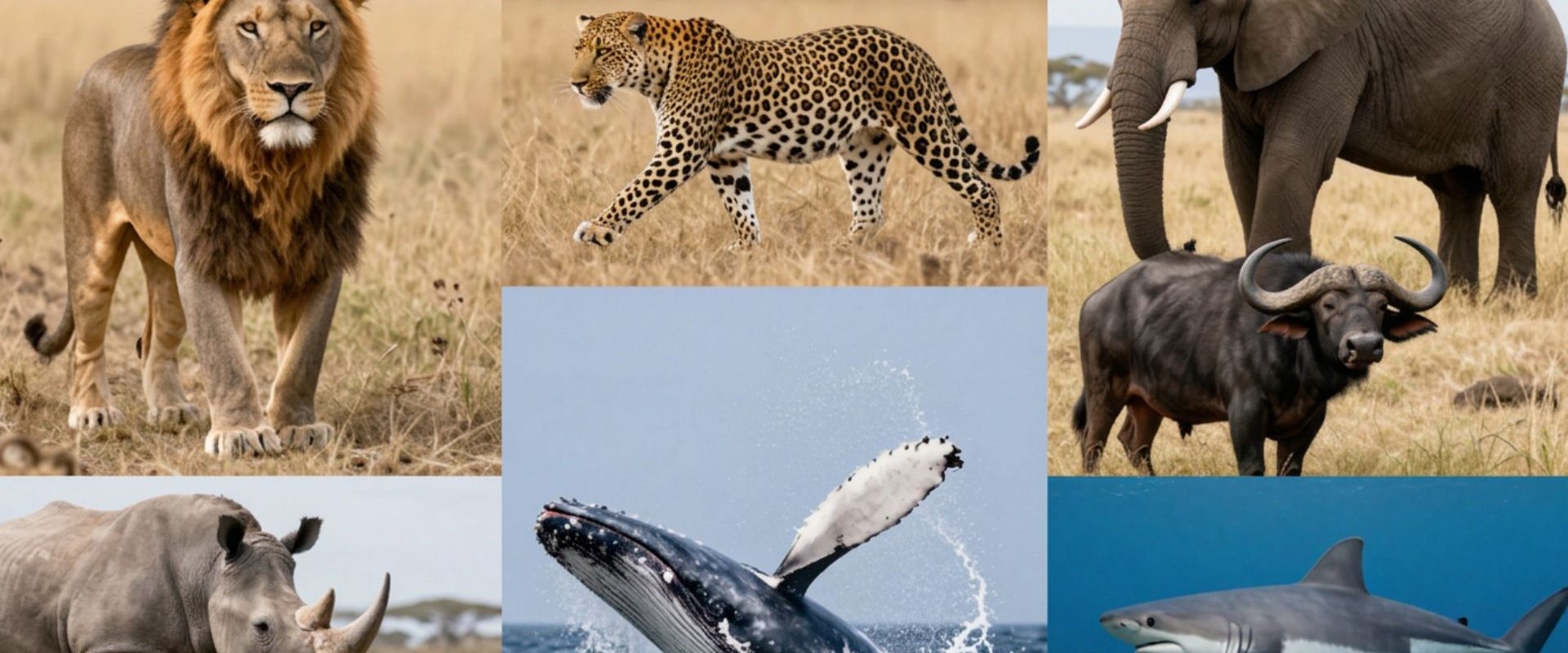
The Big 7 brings together Africa’s most iconic land animals: lion, leopard, African elephant, Cape buffalo and rhinoceros, with two ocean giants, the southern right whale and the great white shark.
This wildlife combo is most famously possible in South Africa’s Eastern Cape, where Addo Elephant National Park and adjacent marine protected areas let travellers combine bush safaris with whale- and shark-watching within a single itinerary.
This article explains where to see each species, the best seasons, responsible-tourism tips, and practical planning advice so you can maximise sightings while supporting conservation.
Why the Big 7 matters
The Big 7 expands the classic Big Five by adding two ocean species: the southern right whale and the great white shark.
This wider framing highlights the unique opportunity in parts of South Africa to link land-based wildlife viewing with outstanding marine encounters, making for a richer, more varied itinerary.
For destinations such as the Eastern Cape, the Big 7 is more than a marketing term: it reflects real conservation efforts to protect connected terrestrial and marine habitats, and it encourages tourism that funds anti-poaching, research and local community projects.
Where to see each species
Use this quick species guide to plan where to prioritise time and which tours to book.
Lion
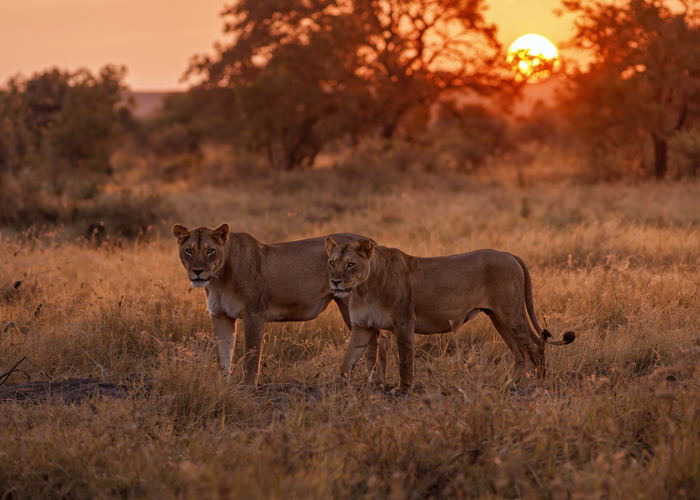
Best seen: Addo region and private reserves in the Eastern Cape, Kruger and select private game reserves. Timing: year-round; early morning and late afternoon drives are prime. Tip: book guided drives with experienced rangers who know pride movements.
Leopard
Best seen: large private reserves and some national parks where prey is abundant. Timing: sighting chances increase at dusk and on night drives; leopards are elusive and solitary. Tip: be patient — leopards are cryptic and rely on ambush; drives with trackers improve odds.
African elephant
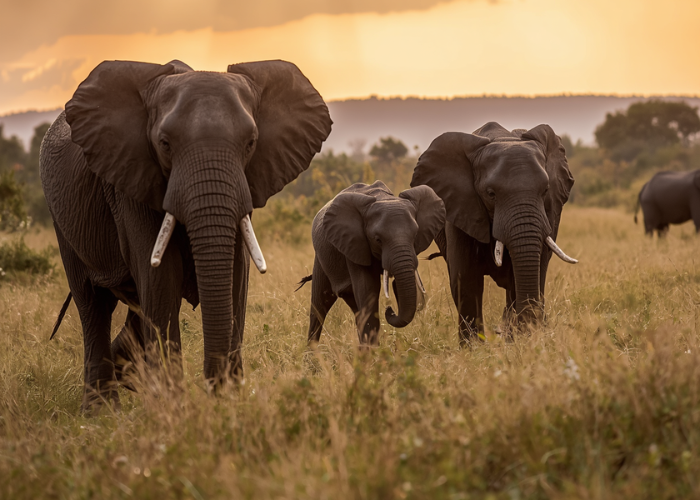
Best seen: Addo Elephant National Park is famous for its sizable, habituated herds; also seen in Kruger, Chobe (Botswana) and other elephant strongholds. Timing: year-round; dry season concentrates animals at waterholes, improving visibility. Tip: maintain safe distances and follow ranger guidance.
Cape buffalo
Best seen: Addo and other savanna reserves where disease-free herds are present. Timing: diurnal, often grazing near water; dry season increases congregation. Tip: buffalos are unpredictable — always watch them from within vehicles.
Rhinoceros (black and white)
Best seen: heavily protected areas across South Africa, Namibia, Zimbabwe and Kenya; sightings depend on reserve management and anti-poaching protocols. Timing: variable; ranger-led drives and guided tracking offer the best chance. Tip: respect all safety and photo rules; some reserves restrict location disclosure for protection.
Southern right whale
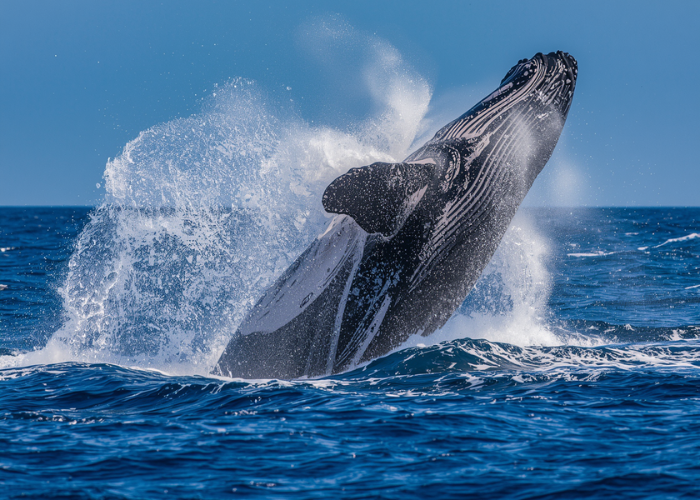
Best seen: South African and Namibian coasts, with excellent shore-based and boat-viewing from June through October. Timing: winter and spring months when whales come close to shore to calve and nurse. Tip: choose responsible whale-watching operators that follow best-practice viewing distances.
Great white shark
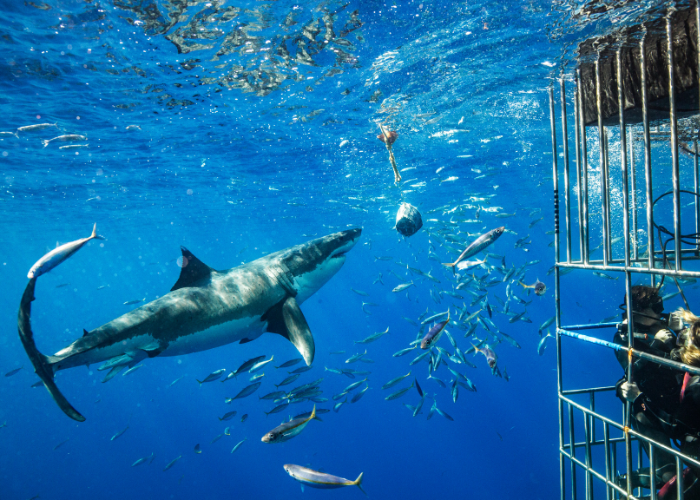
Best seen: cage-diving and boat trips around Dyer Island / Gansbaai, Mossel Bay and False Bay. Timing: many operators run year-round trips; seasonal prey and water temperature shifts may affect activity. Tip: pick accredited operators that prioritise animal welfare and safety.
How to plan a Big 7 trip
Creating an itinerary that combines bush and sea requires balance. Base yourself in the Eastern Cape (Nelson Mandela Bay / Port Elizabeth / Addo region) to reduce transit time between land reserves and coastal departure points.
Typical trip structure: two to four days for land safaris (early morning and late afternoon drives) plus one to two full days for marine experiences: whale-watching, boat-based shark trips, or shore-based viewing depending on season.
Timing matters: for whales, plan June to October; for the greatest likelihood of shark encounters, check local operators for current seasonal peaks; land animal sightings are often best in the dry season when animals gather near water. Book reputable, accredited operators for both safaris and marine tours — guides and skippers not only improve your chances of sightings but follow conservation-friendly practices and local regulations.
Practical considerations: bring binoculars, a camera with a telephoto lens, neutral-coloured clothing, sun protection and light waterproofs for ocean trips. Expect early starts for game drives and possible rough conditions at sea; if you’re prone to seasickness, take precautions before boat trips.
Responsible tourism and conservation
Responsible tourism is essential when pursuing Big 7 sightings. Areas that successfully offer Big 7 experiences often operate under conservation frameworks that connect terrestrial reserves with marine protected areas. Visitor fees, guided-tour revenue and lodge stays contribute directly to anti-poaching units, habitat restoration and community projects.
When booking:
- Choose operators that publicly support conservation (anti-poaching programmes, research partnerships, community upliftment).
- Avoid activities that feed or harass wildlife, and follow guides’ instructions regarding distances and photography.
- Support local businesses like lodges, guides and artisans, which helps ensure that tourism delivers long-term benefits to communities and creates incentives for wildlife protection.
Practical checklist and sample 7-day Big 7 itinerary
Packing and practical tips
- Essentials: binoculars, camera with zoom, neutral clothing, sunhat, sunscreen, insect repellent, reusable water bottle and light waterproof jacket.
- Health: bring any personal medications, check recommended vaccinations, and pack sea-sickness remedies if needed.
- Booking: reserve game drives and marine tours in advance during peak season; confirm meeting points and transport.
Sample 7-day itinerary
Day 1: Arrive in Port Elizabeth (Nelson Mandela Bay), overnight.
Day 2: Transfer to Addo Elephant National Park; afternoon game drive (elephant, buffalo).
Day 3: Full-day safari in Addo/private reserve (lion, buffalo, rhino).
Day 4: Morning game drive; transfer to coastal lodge; evening at leisure.
Day 5: Whale-watching (June–October) or coastal birding; photo opportunities.
Day 6: Great white shark cage dive / boat trip from Gansbaai or Mossel Bay.
Day 7: Return to base city, short cultural or community visit before departure.
Plan carefully, choose responsible operators, and you can experience Africa’s Big 7, a powerful combination of bush and marine wildlife that supports conservation and creates unforgettable memories.
